
OneShot Review: The Game That Makes You Part of the Story
Guide Niko through a dying world with a light bulb for a sun. A puzzle adventure that breaks the fourth wall, reaches into your actual computer and asks you to make one impossible choice.
 AceBy Ace
OneShot is one of the most unique and emotionally impactful indie games out there. It's a puzzle adventure from Future Cat, and while it didn't have the biggest launch, it has built a massive cult following over the years for its storytelling, its characters, and something very few games ever attempt: it makes you part of the story.
What is it?
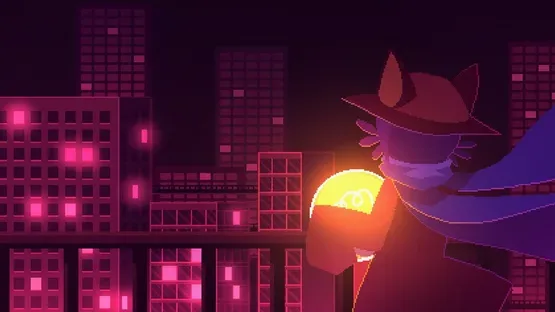
You guide Niko, a small cat-like child, through a dying world that has lost its sun. Your goal sounds simple: carry the sun, a glowing light bulb, to the top of a huge tower and restore the world's light. The journey is anything but simple.
Which version should you play?
There are two main versions:
- The original (PC) interacts with your real computer. It'll open your files, check your desktop and do things outside the game as part of the puzzles. If you can, this is the one I'd recommend.
- OneShot: World Machine Edition (Switch, PlayStation, Xbox and PC) creates a simulated desktop inside the game so it works on consoles, and adds collectibles, character profiles, a music player and some quality-of-life touches.
The core story is exactly the same. Want the most immersive version? Go PC. Want convenience or console play? World Machine Edition is still a great way to experience it.

You and Niko
The game constantly breaks the fourth wall. It knows your name, it talks to you directly, and it quickly makes something clear: you're not just controlling Niko. You're guiding them, helping them and forming a bond with them. Niko doesn't feel like a typical character. They feel like a real person who talks to you, trusts you and relies on you, and that relationship becomes the emotional core of everything.
The gameplay is puzzles and exploration: moving through areas, talking to characters, solving environmental puzzles, and every so often doing something that catches you completely off guard, using your actual files, windows and desktop. It's one of the cleverest uses of that idea I've ever seen.
A quiet, fading world
The world is quiet, almost melancholy. Every area feels like it's slowly fading away, and every character carries the feeling that something is ending. But there's still warmth. The dialogue is charming, the characters are memorable, and Niko is incredibly easy to care about.
There's a reason I'm the one doing this review and not Josh or Ryan. The pixel art is simple but incredibly effective, with distinct environments, expressive characters and an aesthetic that fits the story perfectly. And the music is soft, emotional and atmospheric in a way that sticks with you long after the credits, even if my co-hosts could never truly appreciate it.

A couple of caveats
The gameplay is fairly simple. If you want deep mechanics or challenging combat, you won't find them here; this is a story-first experience. And some puzzles, especially the ones involving your computer, can leave you wondering what the game expects of you. Those are minor issues that never take away from what makes OneShot so memorable.
The verdict
OneShot is one of those rare games that stays with you, not because of its gameplay, but because of how it makes you feel, the connection it builds, and the choices it asks you to make. If you have any interest in playing it, play it blind. Trust me. I'm giving OneShot a 9.5 out of 10. It's one of the most unique indie games I've ever played.

Spoilers: the one shot
This is your final warning. If there's even a small chance you'll play OneShot, stop here, go experience it, and come back.
The whole game builds toward one decision. You reach the top of the tower with the sun, and you have to choose: save the world, or send Niko home. That's the twist, and it was in the title all along. You have only one shot. There's no perfect ending. Save the world and Niko is trapped there forever. Send Niko home and the world is left to die. And the game makes you choose, not Niko. After everything, after earning their trust, you decide what matters more. That's why it hurts. By then Niko isn't a character anymore; they're someone you're responsible for.
Then the extended ending goes further. It reveals that the world is a simulation, a broken system trying to sustain itself, and Niko was never meant to be part of it. Your role isn't guiding them anymore. It's letting them go. That final goodbye is one of the most emotional moments I've ever experienced in a game.
OneShot isn't just about saving the world. It's about connection, responsibility, love, and learning when it's time to let go. If you haven't played it, give it a shot. Maybe just one shot.